
How we respond
Flying relief to survivors in the first days after a disaster
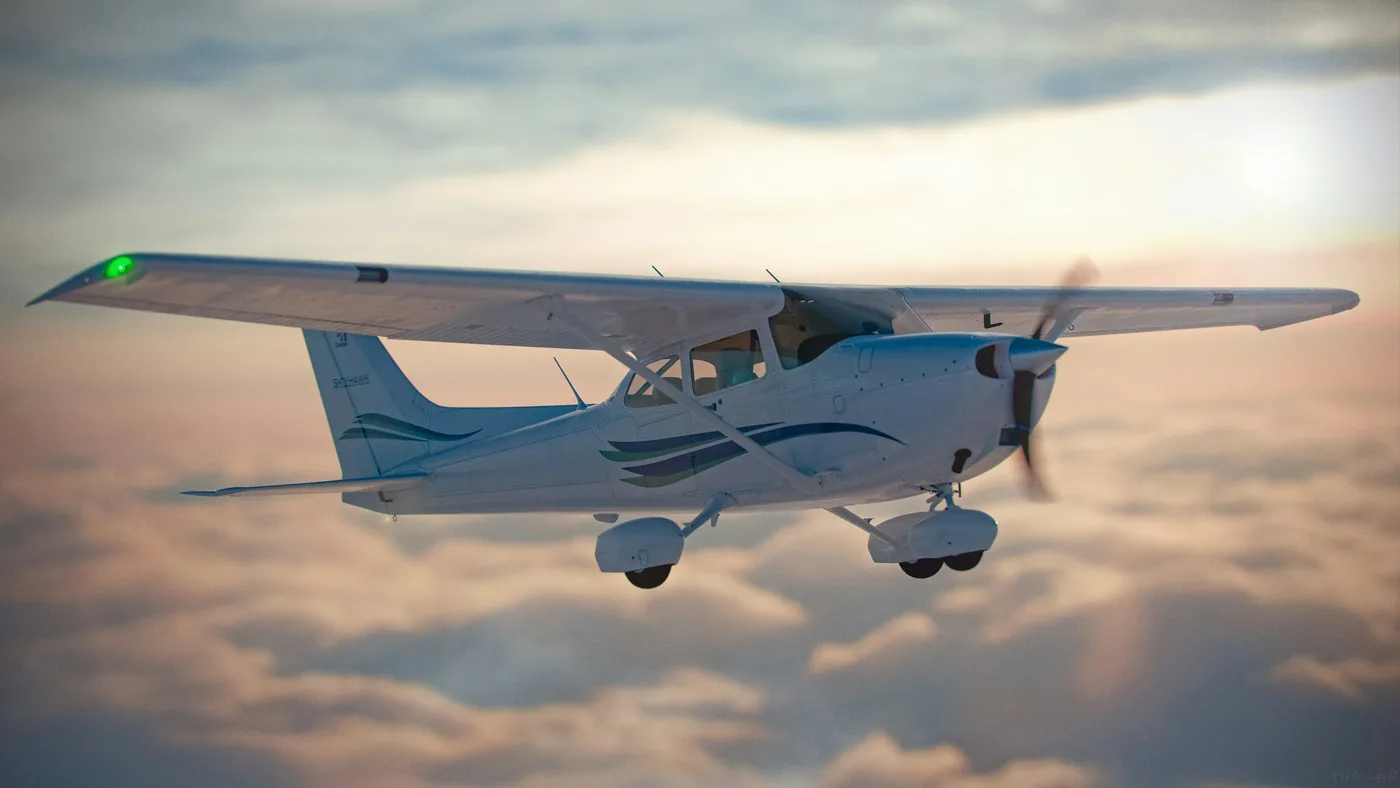
When disaster strikes, we’ll set up at an airport nearby, and our volunteer pilots will fly in supplies to back up the local response. Our partners on the ground will get those supplies to survivors. Here’s how an operation will work.
Why humanitarian aviation?
Bridging the gap until the larger response arrives
After a major disaster, it can take days for the main relief effort to get fully up and running. In the meantime, local responders and survivors still need supplies.
Small planes can be loaded and in the air within hours, and the aviation community is full of pilots who want to help.
We’ll set up a staging base at an airport 50 to 150 miles from the hardest‑hit area, and our volunteer pilots will fly in supplies to back up the local response in those first days. We’ll respond to hurricanes, floods, tornadoes, and other natural disasters.
The first 14 days
- We'll aim to be on the ground within 12 to 24 hours
- The main relief effort and long-term support arrive around day 3 to 5
- Our typical response window is the first 3 to 5 days
- Responses may last 10 to 14 days for very large disasters
What we'll carry
Most of what we move will be supplies, like water, food, hydration, hygiene items, cleanup gear, generators, chainsaws, and pet food.
We'll also fly some people in, such as medical teams, K9 teams, and staff from partner organizations that are responding.
From first alert to the trip home
How an operation will unfold
Every operation will move through these five phases. Here’s how they’d play out for a major hurricane.
Monitor
When a hurricane is days out, we’ll track its path and expected impact and make sure our team is ready.
Prepare
We’ll line up a staging base at an airport near the expected impact and ask our volunteer pilots and Ground Crew who’s available to deploy.
Mobilize
When partners on the ground confirm the need, we’ll make the go call. Our advance team will aim to have the staging base running within 12 to 24 hours after landfall.
Deploy
Volunteer pilots will fly supplies into the staging base, where our Ground Crew will get them to our partners.
Demobilize
When the need is met or the larger relief effort takes over, we’ll close the staging base and send any remaining supplies to our partners.
How supplies move
From a pilot's cargo hold to a disaster survivor's hands
We’ll only bring new items our partners on the ground have asked for.
Four ways in
- Pilot donationsPilots will buy supplies themselves or rally friends, family, and folks at their home airport to pitch in, then fly everything to our staging base.
- Drive-through drop-offCommunity members near our staging base will bring supplies from our needs list.
- Partner stockpilesWe’ll fly supplies from relief organizations’ own stockpiles.
- Monetary donationsWe’ll use them to buy whatever is still missing from the list.
At the hangar
- Unload
- Weigh
- Sort
- Load out
Our Ground Crew will sort everything onto pallets by category, like water or hygiene items, so partners can quickly find what they need and get it to survivors.
Two ways out
- By roadPartners will pick up supplies with their own trucks and trailers and take them straight to the people they serve. If a partner needs help, we’ll deliver with a rented truck.
- By airWhen roads are damaged or blocked, pilots will fly loads closer to the hardest‑hit communities. A partner will meet the plane and take the supplies from there.
Want to be part of it?
There will be a place on our operations for pilots and for people who have never flown a plane. And if you can’t volunteer, a gift helps us stay ready to respond.